
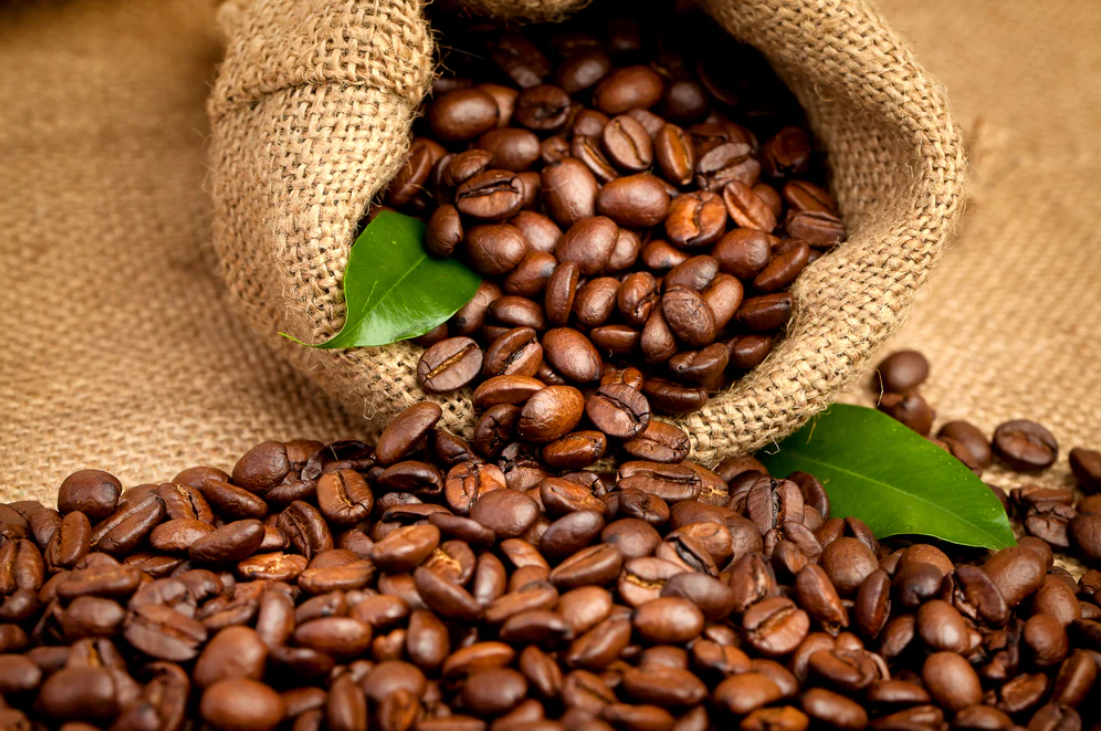
Coffea arabica (/əˈræbɪkə/), also known as the Arabica coffee, is a species of flowering plant in the coffee and madder family Rubiaceae. It is believed to be the first species of coffee to have been cultivated and is the dominant cultivar, representing about 60% of global production.[2] Coffee produced from the less acidic, more bitter, and more highly caffeinated robusta bean (C. canephora) makes up most of the remaining coffee production. The natural populations of Coffea arabica are restricted to the forests of South Ethiopia, South Sudan, and Yemen.
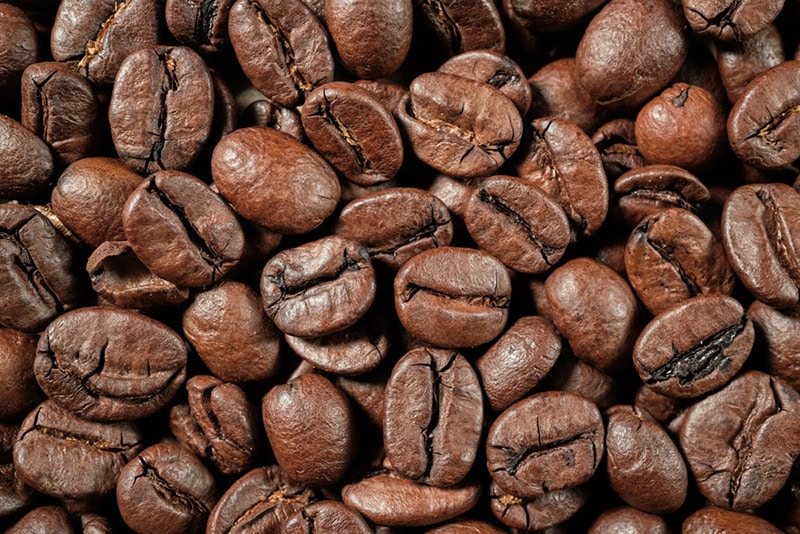
Robusta coffee Robusta coffee beans (Coffea canephora) are the hardy, bold counterparts to the delicate Arabica, accounting for roughly 40% of global production. They are prized for their high caffeine content, thick crema in espresso, and resistance to pests.Robusta contains approximately 2.2% to 2.7% caffeine, nearly double the 1.2% to 1.5% found in Arabica. This acts as a natural pesticide, making the plant very resilient.Known for a bold, intense, and often bitter taste with earthy, woody, or grainy notes. Lower-quality beans can sometimes have a rubbery or burnt-tire finish.It provides a heavier body and is essential for creating the thick, caramel-coloured crema on top of espresso.
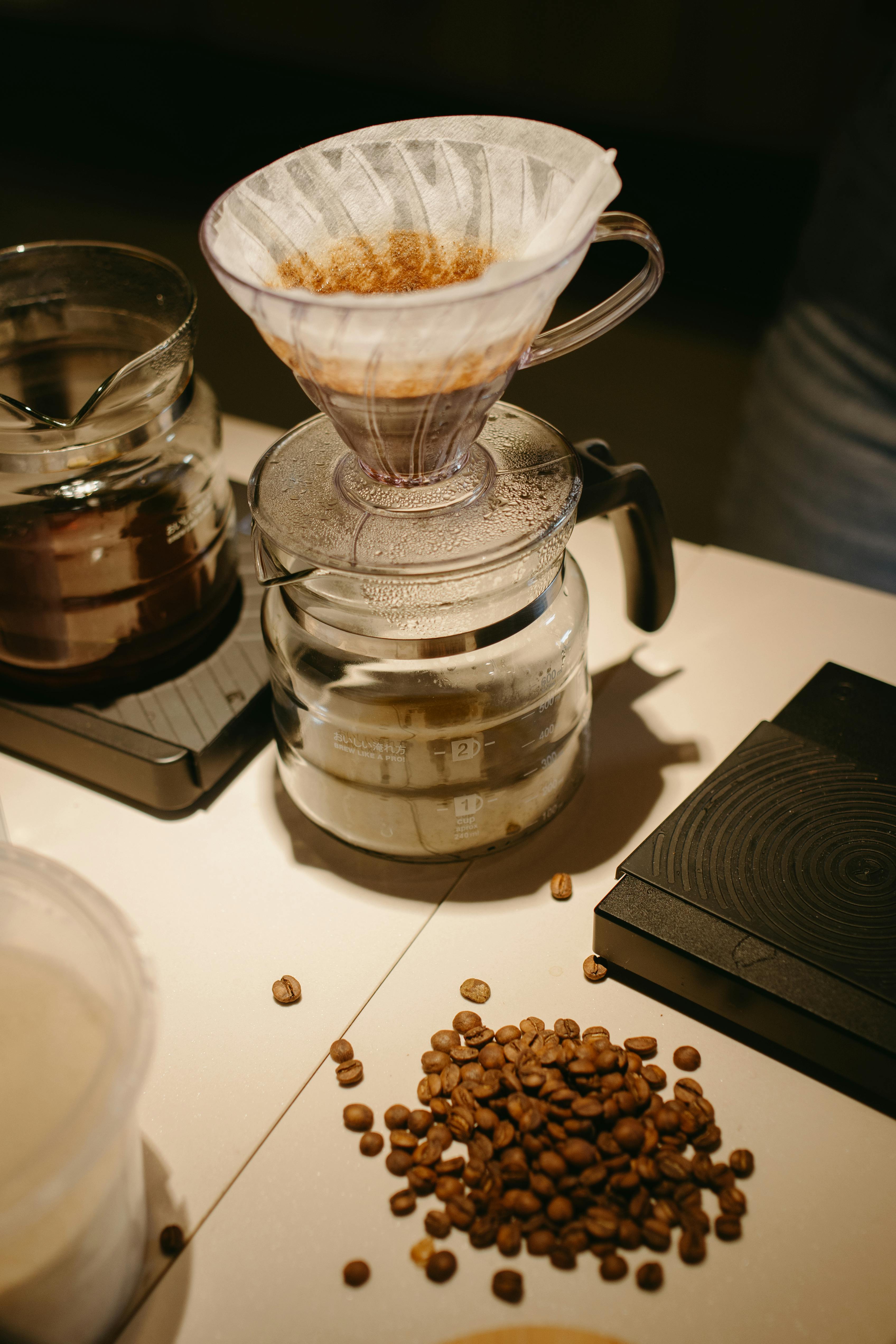
Liberica coffee (Coffea liberica) is a rare and exotic species that accounts for less than 1–2% of global coffee production. It is distinct for its large, asymmetrical, teardrop-shaped beans and its massive trees, which can grow up to 20 metres high.Flavor Profile: It is known for a bold, full-bodied taste with smoky, woody, and nutty undertones. A signature characteristic is a floral and fruity aroma often compared to jackfruit. Caffeine Content: Liberica has the lowest caffeine content among the three main commercial species (~1.23g per 100g), compared to Arabica (~1.61g) and Robusta (~2.26g). Resilience: The plants have deep root systems and tough leaves, making them highly resistant to pests and "coffee leaf rust". It can even thrive in waterlogged, acidic peat soils where other species fail.
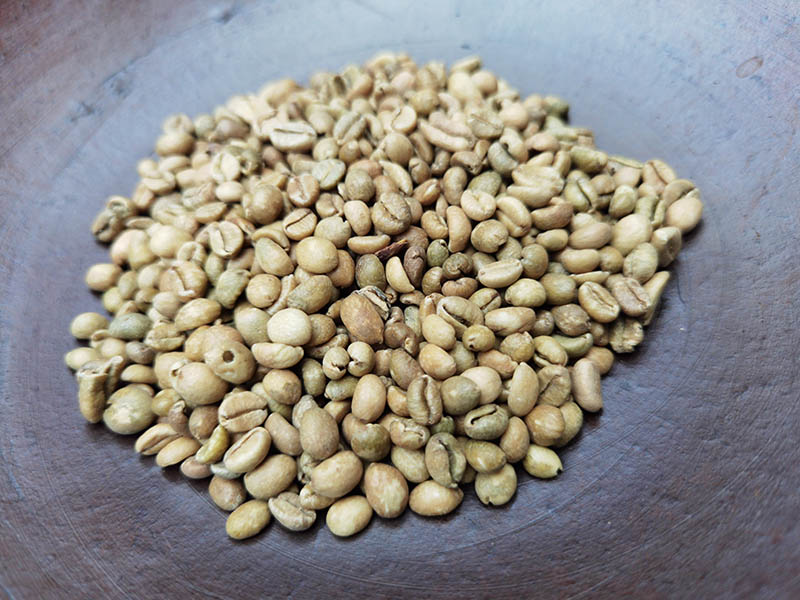
Excelsa coffee is a rare and distinct variety of coffee bean, often described as the "fourth species" of coffee alongside Arabica, Robusta, and Liberica. Although it was reclassified in 2006 as a variety of Coffea liberica (specifically C. liberica var. dewevrei), many in the specialty coffee industry still treat it as its own species due to its unique growth habits and flavor profile.Caffeine Content:It typically has lower caffeine than Arabica and significantly less than Robusta, making it a "gentler" choice for caffeine-sensitive drinkers.Excelsa is famous for its "flavor duality." It offers bright, tart, and fruity notes—similar to light-roast Arabica—on the front of the palate, while finishing with dark, smoky, and woody undertones. Common tasting notes include tropical fruits like jackfruit, tamarind, and lychee, alongside hints of cacao and spice.